Choosing the Right Machine: Excavator, Loader, or Skid Steer
When a construction or landscaping job requires moving earth, loading material, or clearing a site, the choice of machine can make a significant difference in efficiency and cost. Three of the most common types of equipment are excavators, loaders, and skid steers. Each has distinct strengths and limitations. Understanding how they differ in weight, reach, bucket capacity, and maneuverability helps you match the machine to the task at hand. This article compares the three options and explains when each one suits the job.
Excavators: Power for Digging and Trenching
Excavators are designed primarily for digging. Their long arm, bucket, and cab rotate a full 360 degrees, giving them excellent reach and precision. The operator sits in a cab that swings with the arm, providing a clear view of the bucket and the work area. This design makes excavators ideal for trenching, foundation digging, and demolition. The machine's operating weight is usually higher than a skid steer or loader of similar size, which gives it more stability when digging into hard ground. The bucket capacity varies by model, but even a compact excavator can move a substantial volume of earth per scoop compared to a skid steer. Lift capacity is also a key advantage: excavators can lift heavy rocks, concrete slabs, and other debris that would strain a smaller loader. Ground clearance on an excavator is low, which is fine for worksites but limits travel over rough terrain. Hydraulic flow in an excavator is powerful and precise, enabling the operator to control the bucket's movement smoothly. Machine attachments such as hydraulic hammers, augers, and grapples make excavators versatile for specialized jobs. However, an excavator is not the best choice for loading trucks from a stockpile or for moving material across a site; those tasks are better handled by a loader or skid steer.
Loaders: Speed and Capacity for Loading and Hauling
Wheel loaders, often called front-end loaders, are built for scooping up loose material and dumping it into trucks or onto piles. They have a large bucket at the front and strong lift arms. Their operating weight is typically lower than an excavator of similar power, which makes them quicker and more nimble on flat ground. A loader's bucket capacity is large, and the machine can fill a dump truck in just a few passes. Loaders excel at moving gravel, sand, topsoil, and demolition debris. They also handle snow removal and stockpile management well. The lift capacity of a loader is high, but the machine is less stable when lifting heavy loads high above the cab. Ground clearance on a loader is moderate, allowing it to travel on packed dirt or gravel roads. Traction is good on firm surfaces, but loaders struggle in soft mud or steep slopes. Hydraulic flow on a loader is robust, enabling the bucket to curl and dump quickly. Machine attachments such as forks, grapples, and snow plows expand a loader's uses. For jobs that require moving large quantities of material from one spot to another, a loader is often the fastest option. However, loaders are not designed for deep digging or trenching. Their bucket is not as precise as an excavator's, and they cannot rotate the bucket 360 degrees. If the task involves digging a trench or excavating a foundation, a loader will do it less efficiently than an excavator.
Skid Steers: Compact and Maneuverable for Tight Spaces
Skid steers, also known as skid loaders, are compact machines with a rigid frame and an articulated bucket that lifts and curls. They are small enough to fit through a standard doorway and can turn within their own length. Their low operating weight and high ground clearance let them operate on soft ground where larger machines would sink. Skid steers are ideal for landscaping, grading, and clearing small sites. Their bucket capacity is smaller than a loader's, but the bucket is very strong relative to the machine's size. Lift capacity is lower than a loader or excavator, but adequate for moving dirt, mulch, and small rocks. Ground clearance on a skid steer is high, helping it navigate over roots, stones, and uneven terrain. Traction is excellent because the machine's weight is low and its tracks or wheels spread the load. Hydraulic flow on a skid steer is direct and responsive, giving the operator fine control over the bucket. Machine attachments such as pallet forks, grapples, and augers make skid steers useful for a range of tasks. Their main limitation is speed: they are slower than loaders and cannot dig as deep as excavators. For small jobs in tight spaces, a skid steer is often the most practical choice. For large earthmoving projects, a loader or excavator will complete the work faster.
Comparing the Three Machines
When deciding between an excavator, loader, or skid steer, consider the nature of the work. For deep digging, trenching, and heavy lifting of irregular objects, an excavator is usually the best fit. For moving large volumes of loose material and loading trucks, a loader is more efficient. For small sites, soft ground, or jobs that require high maneuverability, a skid steer is a solid choice. The table below summarizes the key differences, but keep in mind that each job is unique and may call for a combination of machines.
Key Differences
- Operating weight: Excavators are heaviest, giving them stability; loaders are moderate; skid steers are lightest.
- Bucket capacity: Loaders have the largest buckets; excavators are next; skid steers have smaller but strong buckets.
- Lift capacity: Excavators lift heavy, awkward loads best; loaders lift well but are less stable at height; skid steers lift modest amounts.
- Ground clearance: Skid steers have the highest; loaders moderate; excavators low.
- Hydraulic flow: All three have powerful hydraulics, but excavators offer the finest control for precision work.
A common mistake is choosing a machine based only on what is available or familiar. A loader might seem like a jack-of-all-trades, but it will struggle in deep mud or on steep slopes. An excavator is excellent for digging but slow for loading. A skid steer is nimble but cannot move large volumes quickly. Taking the time to match the machine to the task saves time and reduces wear on the equipment.
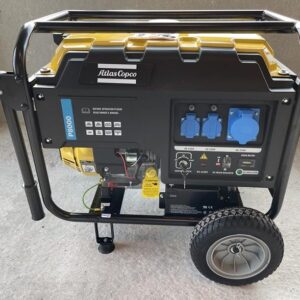
For those looking to buy or rent any of these machines, it helps to compare models from different manufacturers. The site epowerhousellc.com offers a marketplace for construction machinery, including excavators, loaders, and skid steers, along with other industrial equipment such as compressors and generators. Browsing a platform like that can give you a sense of the options available in your area. Remember to check the machine's operating weight, bucket capacity, and any attachments that come with it. A machine that fits the job today will pay for itself in productivity.
Practical Considerations for the Buyer or Renter
Beyond the basic capabilities, think about the site conditions. If the ground is soft or muddy, a skid steer's high ground clearance and low ground pressure make it a better choice than a heavy excavator that might sink. If the site is on a slope, an excavator's stability and low center of gravity are advantages. For jobs that require moving material from one side of the site to another, a loader's speed and bucket capacity will cut down on cycle times. Also consider the availability of machine attachments. An excavator with a hydraulic hammer becomes a demolition tool. A loader with a snow plow can handle winter work. A skid steer with a grapple becomes a small crane. The more versatile the machine, the more value it provides over time.
Maintenance and Operator Skill
All three machines require regular maintenance, including checking hydraulic fluid levels, inspecting hoses and fittings, and keeping tracks or tires in good condition. Operator skill matters a great deal. A skilled operator can get more work out of a smaller machine than a novice can get out of a larger one. If your crew is experienced with one type of machine, it may make sense to stick with that type even if another machine is theoretically better for the job. Training and familiarity reduce downtime and prevent accidents.
Final Advice
There is no single best machine for every job. The right choice depends on the depth of digging, volume of material, site conditions, and operator skill. For deep excavation and heavy lifting, an excavator is the clear leader. For moving loose material quickly, a loader is hard to beat. For tight spaces and soft ground, a skid steer offers unmatched maneuverability. If the job is large, using a combination of machines may be the most efficient approach. For example, an excavator digs the trench while a loader moves the spoil away. Or a skid steer clears brush and grades a small lot while a loader handles the heavy hauling. When evaluating your next machine purchase or rental, consider visiting epowerhousellc.com to see what equipment is available. With the right machine for the job, your project will run smoother and finish faster.